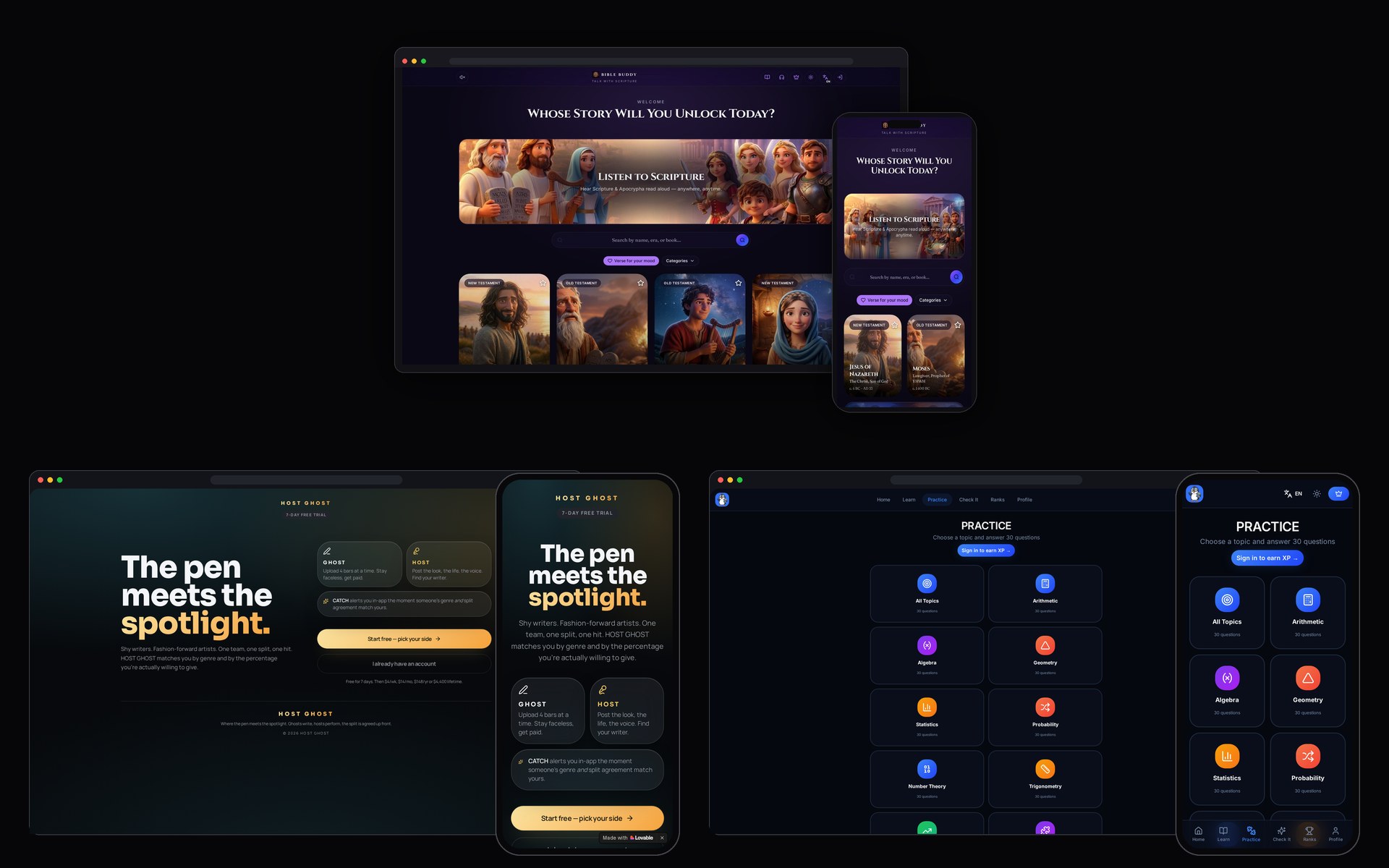
What Does It Take to Acquire a SaaS Product?
A practical walkthrough of acquiring software — from the live demo and due diligence to transfer and launch — and how it differs from investing in a company.
KIING DIGITAL LABS · · 2 min read

Acquiring a software product can be simpler than building one — but only if you know what you are looking at. This is a general walkthrough of the process.
This article is general information, not legal, tax, financial or investment advice. For any acquisition, consider working with appropriate professionals.
Acquiring software vs. investing in a company
These are different transactions.
- Acquiring software means taking ownership of a product and the specific assets that come with it — code, design, branding, deployment — as defined in an agreement.
- Investing in a company means buying equity in a business entity, with its history, obligations and team.
KIING DIGITAL LABS offers the first: product acquisitions, not investment opportunities.
1. Understand the product
What does it do, for whom, and how complete is it? Read the product page and separate what exists today from what could be built later.
2. Use the live demo
Nothing replaces using the product. Sign up, click through the main flows, try it on your phone. Every product in our acquisitions has a live demo for exactly this reason.
3. Review the technology
Ask what it is built on: frontend, backend, database, authentication, hosting, AI providers. You want a stack you or your team can maintain.
4. Understand monetization infrastructure
Are subscriptions, payments or premium features implemented? Remember: monetization infrastructure is not the same as revenue. A product can be fully ready to charge customers and still have none.
5. Review included assets and dependencies
Get a precise list of what transfers — source code, database schema, branding, domain, documentation — and what does not. List third-party services too (hosting, email, AI, payments). Many are accounts a buyer opens in their own name.
6. Understand current business status
Ask directly about users, revenue and traffic. A good seller states these plainly, including when the answer is zero.
7. Due diligence
Review code quality, security, licensing of any third-party components and ownership of intellectual property. Depth depends on the size of the deal.
8. Terms and payment
Price, what transfers, any support period and timeline are set in a written agreement. Payment is made per those terms.
9. Transfer and transition
Code repositories, deployments, domains and documentation move to the buyer. A short handover period helps.
10. Launch or scale
This is where the new owner takes over: brand, marketing, pricing and growth strategy are yours.
Ready to look? Explore acquisitions or see how our process works.
- SAAS
- SOFTWARE ACQUISITION
- DUE DILIGENCE